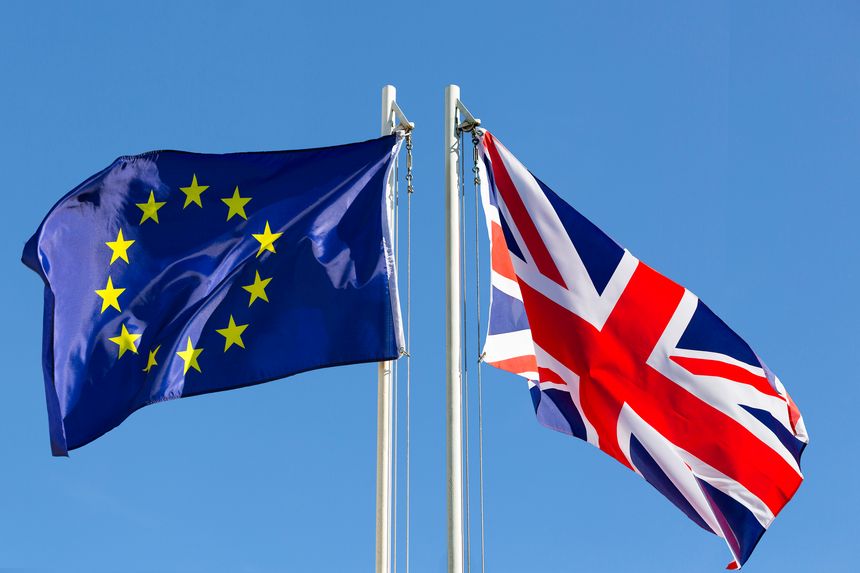

Michel Barnier's warning that there is no "single market à la carte" will strike some as a familiar refrain. It is also correct. Ahead of the EU–UK summit in Brussels on 20 November, the former chief negotiator has reminded Prime Minister Andy Burnham that the four freedoms of goods, services, capital and people are the four conditions of single market membership, and that the UK cannot have one without the others.
The point is legal before it is political. The single market is not a menu but a system: goods and services circulate freely because common rules, common enforcement and the free movement of the people and capital behind them make that possible. Letting a large neighbour take the benefit of one freedom while declining the burden of another would hand it an advantage no member state enjoys. For the EU, indivisibility is the price of coherence.
Can realignment still work? Yes, but only incrementally, and never for free. The draft food and agriculture agreement would remove many border checks in exchange for the UK observing and adapting to EU rules. That is dynamic alignment: the UK would follow rules it helps to shape but does not vote on, a shift a Commons committee has called a significant constitutional development. The Prime Minister has kept the red lines on the single market, customs union and free movement in place until the next election.
The harder question lies elsewhere. Post-Brexit trade policy was built on divergence. The UK's accession to the Comprehensive and Progressive Agreement for Trans-Pacific Partnership (CPTPP) is now in force with all 11 other parties, and that agreement requires sanitary rules grounded in scientific evidence rather than the EU's precautionary approach. Parliamentary witnesses have warned that dynamic alignment with EU food rules could breach that chapter and strain the agreements with Australia and New Zealand, while shrinking the regulatory flexibility that gives the US Economic Prosperity Deal its value. A customs union would go further, making independent trade deals virtually impossible. Re-engagement therefore means more than rejoining something; it means renegotiating, or unwinding, commitments premised on the UK being different.
Gibraltar offers a working example. Under the UK–EU treaty in respect of Gibraltar, applied provisionally since 15 July 2026, the physical frontier fence has gone, Schengen checks take place at our port and airport, and Gibraltar and the EU are forming a customs union, with Gibraltar aligning its goods standards and tariffs. European Parliament consent is expected in December. The bargain was clear-eyed: fluidity at the frontier in return for accepting a defined body of EU law and forgoing, for example, any prospect of joining CPTPP in goods.
That is the lesson for London. Bespoke solutions work when the trade-offs are named and accepted, and fail when one side pretends there are none. The UK must now decide, with Gibraltar's candour, which divergences it values more than access.
For more insights from our legal experts, please subscribe here.
The EU's former Brexit negotiator Michel Barnier is warning the UK it can't have it all and it will not be able to rejoin its single market "à la carte".
www.bbc.com/...

Hassans advises DA Global on obtaining DLT Provider authorisation from the GFSC.
Hassans is pleased to announce that it has advised DA Global Limited (“DA Global”), a subsidiary of ARQ Group, on obtaining a Part 7...